Psychology Behind Cheating: 9 Emotional Reasons People Cheat
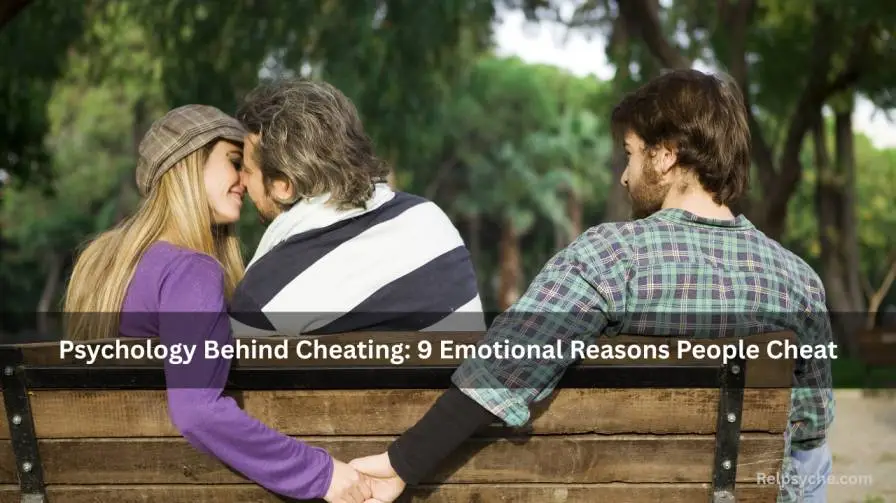
The psychology behind cheating explains the emotional, mental, and behavioral reasons why people become unfaithful in relationships. Cheating is rarely caused by just one issue. In many cases, it develops from emotional dissatisfaction, poor communication, personal insecurity, unresolved trauma, or the desire for validation and excitement.
Understanding the psychology behind cheating does not excuse betrayal, but it helps explain why some people cross emotional and physical boundaries. Every relationship is different, and every person cheats for different reasons. Some people cheat because they feel emotionally disconnected, while others cheat because of impulsive behavior, loneliness, resentment, or low self-esteem.
The psychology behind cheating also shows that infidelity is often connected to internal struggles rather than only relationship problems. Many people who cheat are searching for attention, comfort, escape, or emotional stimulation that they feel is missing in their lives.
Table of Contents
Why Do People Cheat? Understanding the Psychology Behind Cheating
1. Emotional Disconnection
One of the biggest parts of the psychology behind cheating is emotional distance. When people feel ignored, unloved, or emotionally neglected, they may look for comfort somewhere else. Emotional affairs often begin when someone feels understood by another person outside the relationship.
Over time, emotional disconnection can create loneliness in the relationship. Even couples who live together may feel emotionally far apart. When communication disappears, emotional vulnerability increases, making outside attention feel more attractive and comforting.
2. Low Self-Esteem and Validation
The psychology behind cheating often involves insecurity. Some people cheat because they need attention and validation to feel attractive, important, or worthy. Compliments, flirting, and secret relationships can temporarily boost confidence.
This behavior is usually connected to deeper emotional problems. Instead of healing insecurity internally, the person searches for external approval. Unfortunately, this creates unhealthy patterns and damages trust in relationships.
3. Desire for Excitement
For some people, the psychology behind cheating is linked to boredom and thrill-seeking. Long-term relationships sometimes become predictable, and certain individuals crave novelty, risk, and emotional excitement.
The secrecy of cheating can create an adrenaline rush. Hidden conversations, secret meetings, and risky behavior stimulate excitement in the brain. This does not mean the person stopped loving their partner, but it shows poor emotional control and unhealthy coping habits.
4. Poor Communication in Relationships
Many relationship problems grow when couples stop communicating honestly. The psychology behind cheating often includes unresolved arguments, emotional silence, and unmet needs that continue for months or years.
When people feel unable to express frustration, sadness, or disappointment, resentment can slowly build. Instead of solving problems directly, some individuals escape emotionally or physically through infidelity.
Healthy communication is one of the strongest protections against cheating because it creates emotional closeness, trust, and understanding.
5. Childhood Trauma and Attachment Issues
Past experiences strongly influence adult relationships. The psychology behind cheating sometimes connects to childhood trauma, abandonment, neglect, or unhealthy attachment patterns.
People with avoidant attachment styles may struggle with intimacy and emotional closeness. Others fear abandonment so deeply that they seek reassurance from multiple people at once. Trauma can affect trust, emotional regulation, and relationship stability later in life.
Without self-awareness or healing, unresolved emotional wounds may contribute to destructive relationship behavior.
6. Opportunity and Temptation
Sometimes, the psychology behind cheating involves a simple opportunity. Workplace closeness, social media interactions, emotional vulnerability, or constant digital communication can increase temptation.
Modern technology makes emotional affairs easier than ever. Private messages, secret accounts, and online attention create emotional intimacy quickly. Boundaries can slowly disappear when people spend large amounts of emotional energy on someone outside the relationship.
This is why healthy boundaries and honesty are essential in committed relationships.
7. Revenge or Resentment
Some people cheat because they feel hurt, rejected, or angry. In the psychology behind cheating, revenge cheating happens when someone wants to punish their partner emotionally.
This behavior often appears after betrayal, emotional neglect, repeated arguments, or feeling undervalued. Instead of resolving pain in a healthy way, the person acts impulsively to regain control or release anger.
Unfortunately, revenge cheating usually creates more emotional damage instead of healing the relationship.
8. Fear of Commitment
The psychology behind cheating can also involve commitment fears. Some individuals enjoy love and intimacy but become anxious when relationships become serious or emotionally deep.
Cheating may become a way to avoid full vulnerability and emotional dependence. This pattern is common in people who fear losing freedom, fear rejection, or struggle with long-term emotional stability.
In many cases, commitment issues are connected to insecurity or past relationship experiences.
9. Lack of Emotional Maturity
Emotional maturity plays a major role in relationship loyalty. The psychology behind cheating often reveals difficulty managing emotions, impulses, and responsibilities.
Emotionally immature individuals may avoid difficult conversations, ignore consequences, or prioritize short-term pleasure over long-term trust. Instead of working through relationship problems, they escape them through unhealthy behavior.
Maturity requires honesty, accountability, empathy, and self-control—all qualities necessary for healthy relationships.
Can Relationships Recover After Cheating?
Yes, some relationships recover after infidelity, but rebuilding trust takes time, honesty, and effort from both partners. Understanding the psychology behind cheating helps couples identify the deeper emotional patterns that contributed to betrayal.
Recovery usually requires:
- Honest communication
- Accountability
- Emotional transparency
- Healthy boundaries
- Professional therapy
- Patience and consistency
Not every relationship survives cheating, and that is okay. Sometimes healing means rebuilding the relationship, while other times it means moving forward separately.

Conclusion
The psychology behind cheating is complex and deeply connected to emotions, insecurity, communication problems, trauma, and personal behavior patterns. Cheating rarely happens because of one simple reason. In most cases, it reflects unresolved emotional struggles, unhealthy coping habits, or unmet emotional needs.
Understanding the psychology behind cheating can help people recognize warning signs, improve communication, strengthen emotional intimacy, and make healthier relationship decisions. While betrayal causes pain, awareness and emotional growth can help individuals heal, learn, and create stronger relationships in the future.
Ready to take the next step in your personal growth? Explore expert services — from therapy to life coaching — available on Fiverr.
If you want to read more articles similar to 9 Reasons Cheating Wives Do Messy Things With Other, you need to know that we recommend that you enter our Relationships category.
FAQs
1. What is the psychology behind cheating?
The psychology behind cheating refers to the emotional, mental, and behavioral reasons why people become unfaithful. Common causes include emotional neglect, insecurity, trauma, poor communication, and the desire for validation or excitement.
2. Does cheating always mean someone stopped loving their partner?
No. The psychology behind cheating shows that some people still love their partner while struggling with emotional issues, insecurity, or unhealthy coping patterns. However, love alone does not excuse betrayal.
3. Can therapy help after cheating?
Yes. Therapy helps couples understand the deeper emotional causes behind infidelity. It can improve communication, rebuild trust, and help both partners process pain in healthier ways.
4. Is emotional cheating as serious as physical cheating?
For many people, emotional cheating feels equally painful because emotional intimacy creates deep connection and secrecy. The psychology behind cheating includes both emotional and physical betrayal.
5. Can someone who cheats change?
Yes, change is possible if the person takes accountability, understands their behavior, and actively works on emotional growth. Long-term change requires honesty, self-awareness, and consistent effort.
References
- American Psychological Association (APA) – Relationships and Infidelity
Research and articles about relationship behavior, emotional attachment, and psychological factors linked to cheating. - Mayo Clinic – Mental Health and Relationships
Information about emotional health, stress, attachment issues, and how mental health affects relationships. - Psychology Today – Why People Cheat in Relationships
Expert-written articles exploring the psychology behind cheating, emotional affairs, insecurity, and attachment patterns. - Verywell Mind – Causes of Infidelity
Mental health resources discussing emotional disconnection, self-esteem, and behavioral causes of cheating. - National Library of Medicine (NLM) – Attachment and Relationship Behavior
Scientific studies related to attachment styles, emotional regulation, and relationship satisfaction. - Cleveland Clinic – Anxiety, Trauma, and Emotional Health

I’m Emma Johnson, a psychologist who loves to write and share ideas.
I enjoy making psychology simple so everyone can understand and use it in daily life.
If you’d like to talk, ask questions, or work together, feel free to reach out.
Let’s learn and grow in the world of psychology together!