Leg Movements Due to Anxiety: Causes, Symptoms, and Control
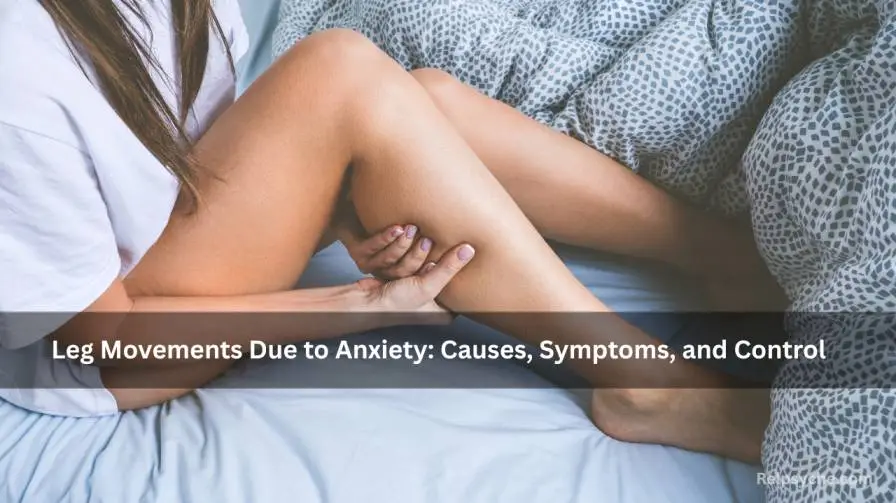
When a person moves their legs due to anxiety, their body and mind are in a state of constant tension. The most common reasons for leg movements due to anxiety is behavior are the activation of the central nervous system, the release of anxiety, and the focusing of attention. This can lead to a number of problems in daily life that may affect work, family, and social relationships.
However, there are some practical methods that can be implemented to manage this condition. Physical exercise, writing, and some mental relaxation techniques can help. In this Psychology-Online article, we’ll provide information about leg twitching due to anxiety: why it happens and how to control it .
Table of Contents
Why do I move my legs when I’m anxious?
First, there are several reasons why a person might experience anxiety. Understanding these reasons can help develop strategies to reduce symptoms. Here are some possible causes:
- Activated central nervous system: neurotransmitters that communicate through synaptic connections have greater activity in times of stress, resulting in excessive stimulation of fear and/or flight responses.
- Anxiety release: It’s important to understand that the body has energy release mechanisms that can improve mood. When moments of tension arise that a person cannot process through other means, such as talking, play, or art, involuntary movements appear to prevent a crisis.
- Attentional focus: In some people, leg movement can be considered a necessary exercise to achieve an adequate level of attention and concentration to face various daily activities.
Difference between nervousness, anxiety and restless legs syndrome
Although they may seem like words with similar meanings, it’s important to know that there are marked differences between some concepts related to this topic. In this section, we’ll present the definitions of nervousness, anxiety, and restless legs syndrome:
- Nervousness: a temporary mood state with a defined beginning and end, triggered by an event that causes disruptive emotional, physical, and behavioral responses in the individual. Generally speaking, there is a high probability that the primary cause of the nervousness can be identified.
- Anxiety: a generalized mental health disorder that persists for an indeterminate period, related to escape and/or avoidance responses to stressors. Unlike nervousness, anxiety can be categorized as an irrational and heightened fear of specific objects and/or situations, as defined by the DSM-5.
- Restless legs syndrome: a neurological condition that affects the central nervous system due to biological causes related to pre-existing illnesses. Generally speaking, this condition is considered a physical problem with no direct link to emotions.
How to stop legs movements due to anxiety?
While leg fidgeting can interfere with daily activities, there are effective methods to reduce or eliminate this problem. Below, we’ll give you specific information on how to stop fidgeting due to anxiety:
- Exercise: In some cases, physical activity helps relieve tension. You can choose a sport or hobby that you find interesting and that helps you relax.
- Talking to trusted people: Putting anxiety-inducing thoughts into words can improve your mood. You can choose to talk to family and close friends.
- Writing: If you feel uncomfortable in conversations, writing is a viable option when you’re feeling nervous. For this purpose, it’s helpful to choose a sheet of paper or a digital document that allows you to express your emotions. In this sense, anxiety is always related to the perception of some external danger.
- Mental relaxation techniques : Yoga and mindfulness are effective methods that relax the central nervous system, thus reducing leg movement. To achieve good results, you should ensure a calm environment.
Quick exercises to relax your legs during moments of anxiety
If you’re looking for simple and practical solutions to relax your legs, there are some effective methods that have helped people suffering from anxiety. Here are some of the most well-known exercises:
- Breathe deeply: Inhale and exhale gradually for one minute. If you cannot relax, repeat this procedure until you feel relief.
- Muscle relaxation: Contract and relax your quadriceps for several minutes. This will improve blood circulation and help release tension.
- Walking: Find a quiet place away from distracting noises. Start walking slowly for several minutes.
- Massage: Using your fingertips, gently massage your glutes, quadriceps, and calves. This will help your muscles relax.
- Stretching: You can lengthen your body to avoid intrusive thoughts associated with anxiety .
If none of these exercises help you control your legs during moments of anxiety, it is necessary to seek help from a mental health professional for psychological support.

Conclusion
Leg movements due to anxiety is a common physical response to stress and nervous system activation. When anxiety builds up, the body looks for ways to release excess energy, and involuntary leg movement becomes one of those outlets. While this symptom can feel frustrating or embarrassing, it is not dangerous on its own and often improves once anxiety is better managed.
Understanding why leg movements due to anxiety happen is an important first step. By recognizing the role of the central nervous system, emotional tension, and attention patterns, you can respond with practical strategies instead of worry. Simple actions like regular exercise, writing down anxious thoughts, relaxation techniques, and talking with trusted people can significantly reduce symptoms.
If leg movements become persistent, intense, or start to interfere with work, sleep, or relationships, professional support is essential. A mental health professional can help identify underlying anxiety disorders and guide you toward effective treatment. With the right tools and support, it is possible to regain control, calm your body, and improve your overall quality of life.
Ready to take the next step in your personal growth? Explore expert services — from therapy to life coaching — available on Fiverr.
If you want to read more articles similar to Leg Movements Due to Anxiety: Causes, Symptoms, and Control, you need to know that we recommend that you enter our Relationships category.
FAQs
1. Are leg movements due to anxiety normal?
Yes, leg twitching due to anxiety is very common. Many people experience restlessness, fidgeting, or repetitive movements when they feel stressed or overwhelmed. It is the body’s natural way of releasing built-up nervous energy and does not usually indicate a serious medical condition.
2. Can leg movements due to anxiety happen even when I don’t feel stressed?
Yes. Anxiety can be present even when you are not consciously aware of it. Subtle stress, suppressed emotions, or chronic anxiety can still activate the nervous system, leading to leg movement or restlessness without obvious emotional triggers.
3. How can I tell the difference between anxiety-related leg twitching and restless legs syndrome?
Leg twitching due to anxiety is usually linked to emotional tension and improves with relaxation or stress relief. Restless legs syndrome, on the other hand, is a neurological condition often worse at night and not directly connected to emotions. A medical professional can help distinguish between the two.
4. Do leg movements due to anxiety mean my anxiety is severe?
Not necessarily. Even mild or moderate anxiety can cause physical symptoms like leg twitching. However, if the symptom is constant, worsening, or affecting daily life, it may be a sign that anxiety needs more focused attention or professional care.
5. Can therapy help stop leg movements due to anxiety?
Yes. Therapy, especially cognitive-behavioral therapy (CBT), can be very effective. It helps identify anxious thought patterns, teaches relaxation skills, and reduces the physical symptoms of anxiety, including leg twitching and restlessness.
6. When should I seek professional help for leg movements due to anxiety?
You should seek help if the twitching is frequent, uncontrollable, causes distress, or interferes with sleep, work, or relationships. A mental health professional can assess your symptoms and recommend appropriate treatment to help you feel calmer and in control.
Literature
- Calle López, Y., Montes Gaviria, M., Toto López, M. Restless legs syndrome or Willis Ekbom disease. Revista Acta Neurológica Colombiana, 32 (4), 347-356.
- Herrera Mondragón, MA, Mendoza Serna, NM, Fernández Delgado, A. (2021). Late onset of restless legs syndrome as a symptom of methadone withdrawal in cancer patients: report of two cases. Revista de la Sociedad Española del Dolor, 2 (7), 298-300.

I’m Emma Johnson, a psychologist who loves to write and share ideas.
I enjoy making psychology simple so everyone can understand and use it in daily life.
If you’d like to talk, ask questions, or work together, feel free to reach out.
Let’s learn and grow in the world of psychology together!