Clues Left by Cheaters: Signs You Should Never Ignore
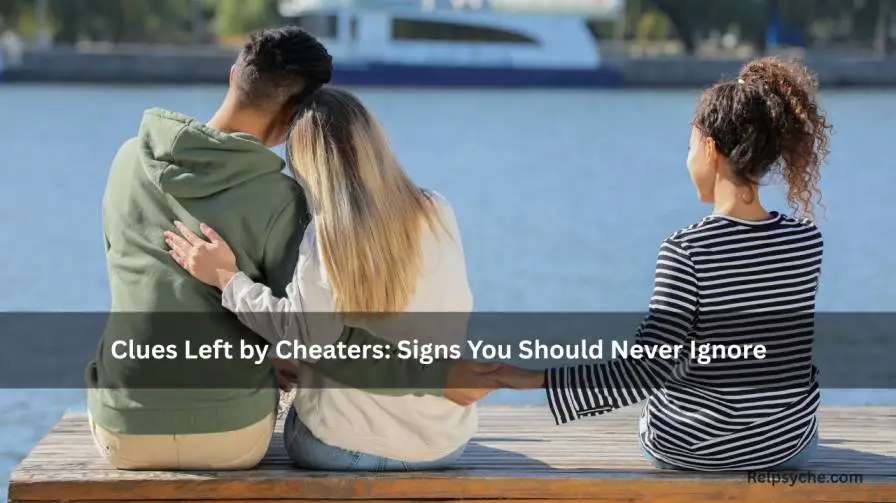
Infidelity is one of the hardest emotional pains to face. When suspicion appears, your mind fills with doubts and mixed thoughts. Many times, there is no clear proof, but small clues left by cheaters can show that something in the relationship has changed. These clues may be emotional, physical, or digital. The goal is not to create fear, but to help you understand when something feels wrong and when it is time for an honest talk.
Table of Contents
Emotional Clues Left by Cheaters
Before any evidence appears, emotional changes are usually the first signs. These emotional clues left by cheaters show up slowly and quietly, but they can reveal a lot.
Signs include:
- They become more distant and show less interest in talking or spending time together.
- They avoid physical contact or get irritated by small things that never bothered them before.
- Their emotional availability changes—they become cold, distracted, and less loving.
- They may overcompensate by being extra nice because they feel guilty.
- Sudden mood swings, like nervousness, frustration, or defensiveness.
These emotional shifts mean their energy is going somewhere else. You don’t need to panic, but it’s important to pay attention.
Physical and Behavioral Clues Left by Cheaters
Daily habits often show clear clues left by cheaters. Cheating usually affects the person’s behavior in obvious ways, especially when they try too hard to hide things.
Signs include:
- Sudden interest in their appearance, like a new hairstyle or new clothes.
- Using perfume, cologne, or looking “extra polished” for simple outings.
- Keeping their phone locked, hidden, or face down all the time.
- Getting irritated when you ask simple questions like “Where were you?”
- Going out more often without explanations, especially at odd times.
- Changes in sexual interest—either less desire or sudden, unusual desire.
- Becoming defensive over small things.
- Watching your actions more closely and blaming you for distrust.
- Short, cold messages, or less curiosity about your day.
- Emotional distance—they stop sharing thoughts, feelings, or future plans.
- Strange expenses or unclear money movements.
- Smells of perfume, smoke, or scents you don’t recognize.
- Avoiding eye contact or avoiding random affection.
- Secretive behavior with their laptop or social media.
- Small lies that slowly add up.
One sign alone doesn’t confirm cheating. But when several appear together, trust in the relationship may be broken.
Digital Clues Left by Cheaters
Most modern affairs leave digital footprints. These digital clues left by cheaters are often the biggest red flags.
Signs include:
- Hiding notifications from the lock screen.
- Deleting messages, call logs, or browser history.
- Changing passwords without a real reason.
- Spending more time online, especially late at night.
- Following new people, liking new accounts, or changing posting habits.
- No longer tagging you or posting a couple of photos.
- Sudden interest in looking good online or editing photos more.
These behaviors show secrecy—not always cheating, but definitely something worth talking about. The healthiest way to handle it is not spying, but communicating honestly.
What Questions Should You Ask?
If you suspect something is wrong, stay calm. Your goal is clarity, not a fight.
Start with gentle, open questions:
- “You seem a little distant lately. Is something bothering you?”
- “I feel some changes between us. How do you feel about us?”
- “Is there anything you want to tell me?”
If answers feel vague or defensive, you can ask directly:
- “Is there someone else?”
- “Do you feel happy in this relationship?”
Asking these questions takes courage. But they help you find the truth without losing self-respect.
What to Do if You Learn the Truth
Finding out someone cheated hurts deeply. It is normal to feel anger, pain, or confusion. Before reacting, take a little time to calm down.
Helpful steps:
- Talk to someone you trust.
- Think before making any big decision.
- Speak with your partner only when you feel calm.
- Try to understand what happened—not to excuse it, but to get closure.
- Decide if the relationship can be repaired or if it’s healthier to walk away.
Avoid revenge, yelling, or self-blame. Cheating reflects their choices, not your worth. Focus on your emotional health and healing.

Conclusion
The clues left by cheaters are often subtle at first, then become clearer over time. Emotional distance, sudden behavior changes, phone secrecy, and digital shifts all point to something being wrong. You don’t need to jump to conclusions, but trusting your instincts matters. Healthy relationships grow through honesty and communication. If something feels off, it’s better to address it calmly than suffer in silence. You deserve clarity, respect, and love that feels safe and real.
Ready to take the next step in your personal growth? Explore expert services — from therapy to life coaching — available on Fiverr.
If you want to read more articles similar to Clues Left by Cheaters: Signs You Should Never Ignore, you need to know that we recommend that you enter our Relationships category.
FAQs
1. What are the most common clues left by cheaters?
The most common clues left by cheaters include emotional distance, secretive phone habits, sudden mood changes, and unexplained time away from home. These signs often appear slowly, making them easy to miss at first. When several clues show up at the same time, it usually means something deeper is happening. While none of these signs alone prove anything, they are warnings that the relationship needs honest communication.
2. Are digital clues left by cheaters more reliable?
Digital clues left by cheaters—like deleting messages, changing passwords, or hiding notifications—can be stronger indicators because they involve intentional behavior. People who cheat often use their phones or social media to hide conversations or build emotional connections. However, technology alone cannot confirm infidelity. These signs should be seen as part of a bigger pattern, not as a final answer. Talking openly is still the best way to get clarity.
3. How can I confront my partner about the clues I’m noticing?
Start the conversation calmly and without accusing them. Mention the clues left by cheaters you’ve seen and express how they made you feel. Ask open-ended questions that allow them to explain rather than defend. It helps to choose a quiet moment when both of you are relaxed. Remember, the goal is not to attack but to find the truth. A respectful conversation can reveal more than anger or pressure ever will.
4. Do clues left by cheaters always mean the relationship is over?
No, not always. Sometimes the clues left by cheaters point to deeper problems like stress, disconnection, or emotional needs that haven’t been met. While cheating is serious, some couples choose to rebuild through honesty and therapy. What matters most is whether both partners are willing to take responsibility and work on trust again. Every relationship is different, so take your time before making a final decision.
5. How should I take care of myself if I suspect or discover cheating?
First, allow yourself to feel whatever emotions come up—hurt, anger, confusion, or sadness are normal. Cheating can shake your confidence and sense of safety, so self-care is essential. Reach out to someone you trust, keep a routine, and avoid making quick decisions while you’re overwhelmed. Understanding the clues left by cheaters can help you stay grounded instead of blaming yourself. If needed, talking to a therapist can help you rebuild emotional strength.
Literature
- Datu, J. a. D., Yuen, M., and Chen, G. (2017). Development and validation of the Triarchic Model of Grit Scale (TMGS): Evidence from Filipino undergraduate students. Personality and Individual Differences , 114 , 198–205. https://doi.org/10.1016/j.paid.2017.04.012
- Hertlein, K.M., & Stevenson, A. (2010, June 1). The Seven “As” Contributing to Internet-Related Intimacy Problems: A Literature review . https://cyberpsychology.eu/article/view/4230
- Knopp, K., Scott, S., Ritchie, L., Rhoades, G.K., Markman, H.J., and Stanley, S.M. (2017). Once a cheater, always a cheater? Serial infidelity across subsequent relationships. Archives of Sexual Behavior , 46 (8), 2301–2311. https://doi.org/10.1007/s10508-017-1018-1
- Mark, K.P., Janssen, E., & Milhausen, R.R. (2011). Infidelity in Heterosexual Couples: Demographic, Interpersonal, and Personality-Related Predictors of Extradyadic Sex. Archives of Sexual Behavior , 40 (5), 971–982. https://doi.org/10.1007/s10508-011-9771-z

I’m Emma Johnson, a psychologist who loves to write and share ideas.
I enjoy making psychology simple so everyone can understand and use it in daily life.
If you’d like to talk, ask questions, or work together, feel free to reach out.
Let’s learn and grow in the world of psychology together!