He Loves Me But Doesn’t Desire Me Sexually: R&S
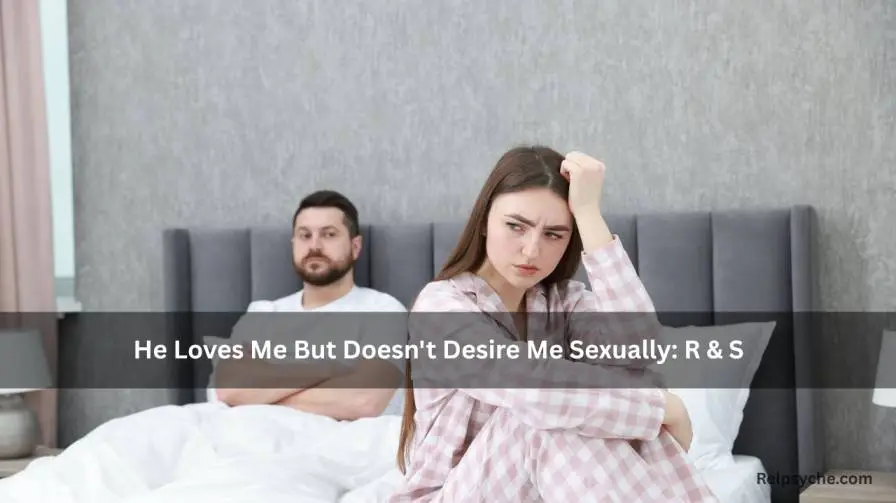
Feeling loved but unwanted can create an emotional void that is hard to explain. Sometimes, your partner shows affection, shares moments with you, and makes you feel emotionally secure, yet the sexual intimacy fades. This doesn’t always mean your partner doesn’t love you, but it indicates that something in the relationship or within them needs attention. Understanding the signs and causes can help you approach the situation with clarity and care.
Table of Contents
How to Tell If Your Partner Isn’t Sexually Attracted to You
Realizing that your partner no longer desires you can be painful, but it is necessary to understand what’s happening. There are subtle signs to notice:
- Absence of spontaneous physical contact: Hugs, caresses, long kisses, or simple closeness become rare or forced.
- Frequent excuses to avoid intimacy: Claims of stress, tiredness, or lack of time are repeated without real intention to engage sexually.
- Lack of sexual initiative: You always initiate intimacy, while they never make the first move or seem uncomfortable.
- Signs of discomfort talking about sex: Emotional avoidance or distant connection can feel more like colleagues than lovers.
Observing these signs without judgment helps you understand the changes in desire and decide how to address them.
Why He Loves You But Doesn’t Desire You Sexually
It may seem contradictory, but it’s possible for someone to love you deeply and yet lack sexual desire. Common reasons include:
- Emotional Exhaustion
Routine, stress, anxiety, or hormonal changes can lower sexual desire, even when love remains strong. Prioritizing emotional security often reduces focus on sexual connection. - Shared Sexual History
Frustrations, mismatched sexual rhythms, or lack of communication about desires can create a subtle distance. Emotional love can persist while passion fades. - Personal Beliefs or Experiences
Upbringing, past trauma, or personal insecurities can affect how desire is expressed. Some individuals prefer emotional bonds over sexual intimacy to feel safe.
Understanding these factors can prevent self-blame and help you approach the situation constructively.
What to Do If Your Partner Loves You But Doesn’t Desire You
Feeling confusion or sadness is normal. These steps can help:
- Communicate Honestly
Express your feelings and needs without accusation. Ask how they feel about intimacy and the changes that have occurred. - Assess Your Sexual Relationship Together
Discuss when sexual desire began to fade and explore fears, tensions, or blockages affecting intimacy. - Explore Professional Guidance
Therapists or sexual counselors can help you reconnect, improve communication, and rebuild sexual desire. - Listen to Your Truth
If desire cannot be rekindled and you feel unfulfilled, it may be necessary to reconsider the relationship’s future. Love alone isn’t enough if it leaves you emotionally incomplete.
Remember, a healthy relationship includes both emotional love and mutual desire. You deserve to feel valued, chosen, and desired.

Conclusion
Love without desire can feel incomplete, but it doesn’t always signal the end of a relationship. By recognizing the signs, understanding the underlying reasons, and addressing issues openly, you can either rekindle intimacy or make peace with changes. Focus on communication, self-awareness, and emotional honesty. Prioritizing your well-being ensures that love in your life feels complete—emotionally, physically, and intimately. Remember, desire can fluctuate over time, and addressing it openly may strengthen the bond. Nurturing both emotional and physical connections helps create a sustainable and fulfilling partnership. Self-love and understanding your own needs are just as important as understanding your partner’s perspective.
Ready to take the next step in your personal growth? Explore expert services — from therapy to life coaching — available on Fiverr.
If you want to read more articles similar to FHe Loves Me But Doesn’t Desire Me Sexually: Reasons & Solutions, you need to know that we recommend that you enter our Relationships category.
FAQs
1. Can a person love me but not want me sexually?
Yes. Emotional love and sexual desire are related but distinct. External factors like stress, health, and routines may reduce desire without affecting love. Sometimes, a partner’s lack of sexual interest stems from temporary issues like fatigue or mental strain. It’s important to differentiate between a lack of desire and a lack of affection. Understanding this distinction helps maintain perspective and reduces unnecessary self-blame.
2. How can I rekindle sexual desire in a loving relationship?
Open communication, playful intimacy, professional therapy, and shared experiences can gradually revive sexual connection. Couples can explore new ways of being physically close, such as cuddling, massages, or experimenting with light touch. Reconnecting emotionally through deep conversations and shared hobbies often reignites attraction. It’s important to approach intimacy without pressure and to celebrate small moments of closeness as steps toward a healthier sexual bond.
3. Does a lack of sexual desire mean infidelity or disinterest?
Not necessarily. Low desire can be caused by stress, health, hormonal changes, or relational patterns, not always by a partner’s attraction to you. Emotional fatigue, anxiety, or past unresolved conflicts may temporarily affect sexual interest. Recognizing that desire can fluctuate over time helps couples respond with empathy rather than suspicion. Open dialogue ensures that misunderstandings don’t erode trust or intimacy.
4. Should I stay in a relationship if my partner loves me but doesn’t desire me?
It depends on your needs. Emotional love is valuable, but if sexual intimacy is important to you, evaluate if the relationship meets your emotional and physical needs. Reflect on whether the absence of desire is temporary or long-term. Consider whether you can be content with emotional closeness alone or if sexual fulfillment is non-negotiable. Honest discussions with your partner help set expectations and guide decisions about the future of the relationship.
5. Can individual therapy help if my partner doesn’t desire me?
Yes. Therapy can help you understand your emotions, build self-esteem, and navigate conversations about intimacy or boundaries with your partner. It offers a safe space to explore feelings of rejection, frustration, or confusion. Therapists can provide strategies to cope with unmet sexual needs and improve communication between partners. Individual support complements couples therapy and empowers you to make decisions that prioritize emotional and physical well-being.
References
- American Psychological Association (APA). Sexual desire in relationships. https://www.apa.org
- Gottman Institute. Maintaining intimacy in long-term relationships. https://www.gottman.com
- Mayo Clinic. Low libido: Causes and treatments. https://www.mayoclinic.org
- Psychology Today. Why desire fades in relationships? https://www.psychologytoday.com

I’m Emma Johnson, a psychologist who loves to write and share ideas.
I enjoy making psychology simple so everyone can understand and use it in daily life.
If you’d like to talk, ask questions, or work together, feel free to reach out.
Let’s learn and grow in the world of psychology together!