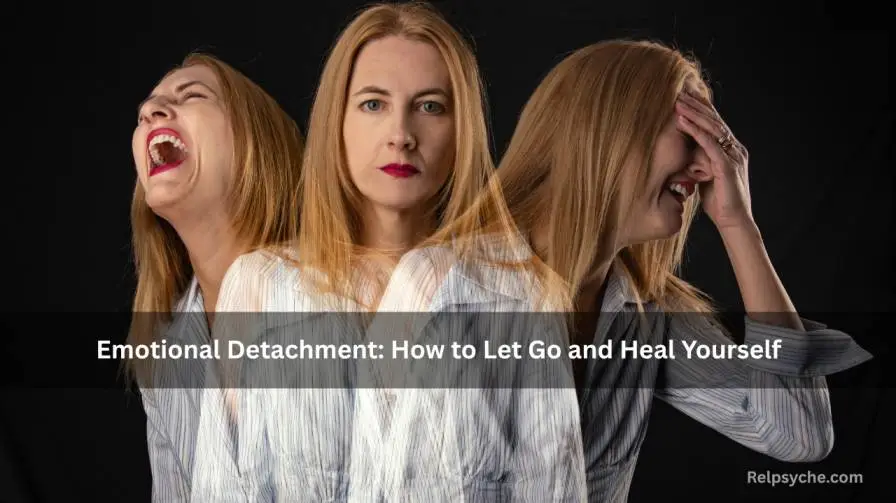
Emotional Detachment: How to Let Go and Heal Yourself
Detaching yourself emotionally from someone isn’t an act of coldness; it’s an act of self-love. When a relationship—romantic, platonic, or unrequited—becomes a source of pain, learning to let go is essential for healing. Emotional detachment allows you to regain your inner peace, prioritize your well-being, and rebuild your life with clarity. Though challenging, detachment is a transformative process that nurtures self-respect and personal growth.
Table of Contents
Signs You Need to Emotionally Detach Yourself
Recognizing the need to detach is the first step toward emotional freedom. Some signs include:
- Your emotions depend entirely on the other person’s mood. Feeling anxious or elated only when they engage with you signals emotional dependency.
- You tolerate hurtful behavior or justify disrespect to keep the relationship intact.
- You’ve lost your sense of identity, prioritizing their needs over your own.
- You feel trapped by memories, hope, or habit, making it impossible to envision a life without them.
Identifying these signs is not giving up; it’s reclaiming your emotional power and beginning the journey to self-healing.
How to Distance Yourself From Someone to Avoid Suffering
1. Accept That the Relationship Has Changed
Acknowledge reality without sugarcoating it. Accepting doesn’t mean you stopped caring; it means recognizing that clinging causes more harm than good. Understanding that the relationship has shifted allows your mind to stop resisting the inevitable. Acceptance is the first step toward emotional freedom, helping you focus on your own well-being rather than trying to control someone else. By accepting the change, you begin to reclaim your energy and redirect it toward self-growth.
2. Take a Step Back, Even if It Hurts
Reduce or temporarily cut off communication. Every message or call can reactivate emotional bonds and delay recovery. Allowing space is crucial for mental clarity. Distance helps you observe the relationship objectively, without the cloud of constant interaction. During this period, focus on activities that enrich your life, cultivate inner strength, and reinforce the importance of your independence. Taking a step back is not avoidance; it’s creating the environment you need to heal.
3. Avoid Idealizing Them
Remember both the good and painful moments. Balanced reflection prevents unrealistic longing and helps you remain grounded in reality. Stop romanticizing the past or imagining what could have been. Emotional clarity comes when you view the person as a whole, recognizing both their strengths and flaws. This balanced perspective allows you to separate love from dependency and fosters emotional detachment without bitterness.
4. Replace the Habit, Not the Person
Identify the emotional needs the relationship fulfilled—attention, security, companionship—and find healthier ways to meet them within yourself. Explore new routines, hobbies, or supportive friendships to fill those gaps. Emotional detachment is easier when your life feels rich and meaningful on its own. By replacing habits instead of the person, you maintain emotional fulfillment while reducing reliance on someone who may no longer be a healthy presence in your life.
5. Don’t Fight What You Feel
Feeling sadness, anger, or disappointment is normal. Express emotions through journaling, talking, or creative outlets without fueling obsessive thoughts. Suppressing feelings often prolongs pain, whereas mindful processing allows you to understand your emotions. Give yourself permission to feel, but avoid letting emotions dictate your actions. Emotional detachment grows stronger when you acknowledge your feelings instead of ignoring or judging them.
6. Rearrange Your Surroundings
Remove mementos that trigger memories, redecorate, or create new routines. Symbolic changes reinforce your journey toward detachment. Even small shifts in your environment can signal a fresh start to your mind. Personal spaces that no longer remind you of past attachments support emotional detachment. Transforming your surroundings can create a sense of safety, independence, and renewed energy for personal growth.
7. Take Care of Your Body and Mind
Sleep well, eat healthily, exercise, and practice relaxation techniques. Emotional recovery is tied to physical and mental well-being. Physical activity reduces stress and improves mood, reinforcing emotional resilience. Mindful practices such as meditation or deep breathing help you regain balance and reduce obsessive thinking. Taking care of yourself reminds you that your body and mind deserve attention, independent of any relationship.
8. Focus on Yourself
Revisit hobbies, friendships, or personal goals. Strengthening your identity outside the relationship fosters resilience and independence. Discover new passions, invest in learning, and reconnect with old interests. Emotional detachment is nurtured by a fulfilling and purposeful life. When you prioritize yourself, the need to rely on someone else diminishes naturally, making detachment empowering rather than painful.
9. Be Patient With Yourself
Healing is a process. Accept days of weakness and days of strength. Consistent small steps are more effective than forcing quick closure. Emotional detachment cannot be rushed; each day of progress is valuable. Celebrate small victories, and don’t judge setbacks—they are part of the journey. Patience allows you to integrate lessons, rebuild confidence, and gradually detach without guilt or pressure.
Mental Tricks to Forget Someone
- Break the idealization: Accept imperfections and recall the relationship’s real shortcomings.
- Cognitive reframing: Redirect intrusive thoughts to focus on your needs today, rather than past events.
- Use the “Stop” method: Interrupt obsessive rumination with a physical or mental cue, then redirect attention.
- Practice gratitude: Appreciate the lessons learned, and consciously release the relationship’s emotional hold.
Activities and Habits to Heal the Heart
- Daily self-care: showering, walking, cooking, resting.
- Creative expression: writing, art, music, or meditation.
- Social support: spend time with people who bring calm and positivity.
Healing isn’t about forgetting; it’s about learning to live without constant pain and rediscovering your own emotional strength.
When to Seek Professional Support
Seek help if you continue to feel:
- Intense anxiety
- Persistent sadness
- Emotional numbness
A psychologist can guide you in processing emotions, rebuilding self-esteem, and safely detaching. Asking for support is an act of emotional responsibility, not weakness.
Conclusion
Emotional detachment is a form of self-love and empowerment. Recognizing signs of dependency, implementing healthy strategies, and embracing patience allow you to regain control of your emotions. By focusing on self-care, cognitive strategies, and personal growth, you can heal and build a life that prioritizes peace, self-respect, and emotional well-being. Remember, letting go doesn’t erase memories—it liberates you from pain and creates space for healthier connections in the future.
Ready to take the next step in your personal growth? Explore expert services — from therapy to life coaching — available on Fiverr.
If you want to read more articles similar to Emotional Detachment: How to Let Go and Heal Yourself, you need to know that we recommend that you enter our Relationships category.
FAQs
1. What is emotional detachment?
Emotional detachment is the ability to distance yourself from a person or situation causing pain, prioritizing your mental and emotional health while maintaining clarity and self-respect.
2. How do I know I need emotional detachment?
Signs include dependency, anxiety about their attention, loss of personal identity, and tolerating disrespect. Emotional detachment is needed when the relationship hinders your well-being.
3. Can emotional detachment help me heal from a breakup?
Yes. Emotional detachment allows you to process feelings, regain control, and rebuild your life without clinging to past pain.
4. What strategies support emotional detachment?
Cognitive reframing, self-care routines, reduced contact, mindfulness, and mental exercises all strengthen emotional detachment and speed recovery.
5. When should I seek professional guidance for emotional detachment?
If feelings of sadness, anxiety, or obsession persist for weeks, a psychologist can provide guidance, coping techniques, and emotional detachment strategies in a safe environment.
References
- Bowlby, J. (1980). Attachment and Loss: Vol. 3. Loss, Sadness and Depression. Basic Books.
- Beck, A. T., & Alford, B. A. (2009). Depression: Causes and Treatment. University of Pennsylvania Press.
- Piaget, J. (1970). Psychology and Pedagogy. Viking Press.
- Neff, K. D. (2011). Self-Compassion: The Proven Power of Being Kind to Yourself. William Morrow.
- Psychology Today. (2025). How to Heal After a Breakup. Retrieved from https://www.psychologytoday.com
Literature
- Eilert, D.W., and Buchheim, A. (2023). Attachment-Related Differences in Emotion Regulation in Adults: A Systematic Review on Attachment Representations. Brain Sciences , 13 (6), 884. https://doi.org/10.3390/brainsci13060884
- Gehl, K., Brassard, A., Dugal, C., Lefebvre, A., Daigneault, I., Francoeur, A., and Lecomte, T. (2023). Attachment and Breakup distress: The Mediating role of coping Strategies. Emerging Adulthood , 12 (1), 41–54. https://doi.org/10.1177/21676968231209232
- Tran, K., Castiglioni, L., Walper, S., and Lux, U. (2023). Resolving relationship dissolution—What predicts emotional adjustment after breakup? Family Process , 63 (3), 1157-1170. https://doi.org/10.1111/famp.12914

I’m Emma Johnson, a psychologist who loves to write and share ideas.
I enjoy making psychology simple so everyone can understand and use it in daily life.
If you’d like to talk, ask questions, or work together, feel free to reach out.
Let’s learn and grow in the world of psychology together!